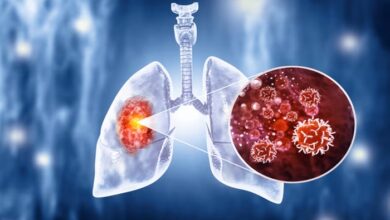

Lung cancer is one of the most serious health conditions worldwide, requiring not only advanced treatment but also consistent long-term care and maintenance. After initial therapies such as surgery, chemotherapy, radiation, or targeted therapy, patients enter a critical phase known as maintenance and care. This phase focuses on improving quality of life, preventing recurrence, and managing side effects.
In this guide, we’ll explore everything you need to know about lung cancer maintenance and care, including lifestyle changes, follow-up treatments, emotional support, and long-term health strategies. For expert medical insights and personalized care, you can visit Liv Hospital.
What Is Lung Cancer Maintenance Therapy?
Maintenance therapy refers to ongoing treatment given after the initial therapy has successfully controlled cancer. The goal is to keep the cancer from returning or progressing. It is especially common in advanced stages of lung cancer, where continuous management is essential.
There are two main types of maintenance therapy:
- Continuation Maintenance: Continuing at least one drug used during initial treatment
- Switch Maintenance: Switching to a different medication after initial therapy
To learn more about professional treatment approaches, visit Lung Cancer Maintenance and Care.
Importance of Regular Follow-Ups
After completing primary treatment, regular follow-up appointments are crucial. These check-ups help doctors monitor your recovery and detect any early signs of recurrence.
Common Follow-Up Procedures:
- Imaging tests (CT scans, X-rays)
- Blood tests
- Pulmonary function tests
- Physical examinations
Typically, follow-ups are scheduled every 3–6 months initially, then less frequently over time depending on the patient’s condition.
Managing Side Effects
Even after treatment ends, patients may experience lingering side effects. Proper management can significantly improve daily life.
Common Side Effects:
- Fatigue
- Shortness of breath
- Chronic cough
- Pain or discomfort
- Loss of appetite
Tips for Managing Side Effects:
- Stay physically active with light exercises
- Maintain a balanced diet rich in nutrients
- Follow prescribed medications strictly
- Communicate any new symptoms to your doctor immediately
Lifestyle Changes for Better Recovery
Adopting a healthy lifestyle is one of the most effective ways to support long-term recovery.
1. Quit Smoking
If you smoke, quitting is the most important step. Smoking increases the risk of recurrence and reduces treatment effectiveness.
2. Balanced Nutrition
Focus on:
- Fruits and vegetables
- Lean proteins
- Whole grains
Avoid processed and high-fat foods.
3. Physical Activity
Regular exercise helps:
- Improve lung function
- Boost energy levels
- Reduce stress
Even simple activities like walking can make a difference.
4. Adequate Rest
Sleep is essential for healing and maintaining immune function.
Emotional and Psychological Support
Living with lung cancer can be emotionally challenging. Anxiety, depression, and fear of recurrence are common among survivors.
Support Options:
- Counseling or therapy
- Support groups
- Family and community support
Mental health care is just as important as physical care during the recovery journey.
Role of Rehabilitation Programs
Pulmonary rehabilitation programs are designed specifically for lung cancer patients. These programs include:
- Breathing exercises
- Physical training
- Nutritional counseling
- Education about lung health
They help improve lung capacity and overall quality of life.
Preventing Recurrence
While there’s no guaranteed way to prevent recurrence, certain steps can lower the risk:
- Adhere to maintenance therapy
- Attend all follow-up appointments
- Maintain a healthy lifestyle
- Avoid exposure to pollutants and toxins
Early detection of recurrence significantly improves outcomes.
Long-Term Care Planning
Lung cancer care doesn’t end after treatment—it’s a lifelong process. Long-term care planning may include:
- Regular screenings
- Ongoing medications
- Lifestyle adjustments
- Coordination with healthcare providers
Having a clear care plan ensures better health management and peace of mind.
Conclusion
Lung cancer maintenance and care play a vital role in ensuring long-term survival and improved quality of life. From regular medical follow-ups to adopting a healthier lifestyle and seeking emotional support, every step contributes to better outcomes. Staying informed and proactive is key to managing life after lung cancer.
For overall well-being and a healthier lifestyle approach after recovery, you can explore helpful resources at live and feel, which focuses on wellness, balance, and healthy living practices.